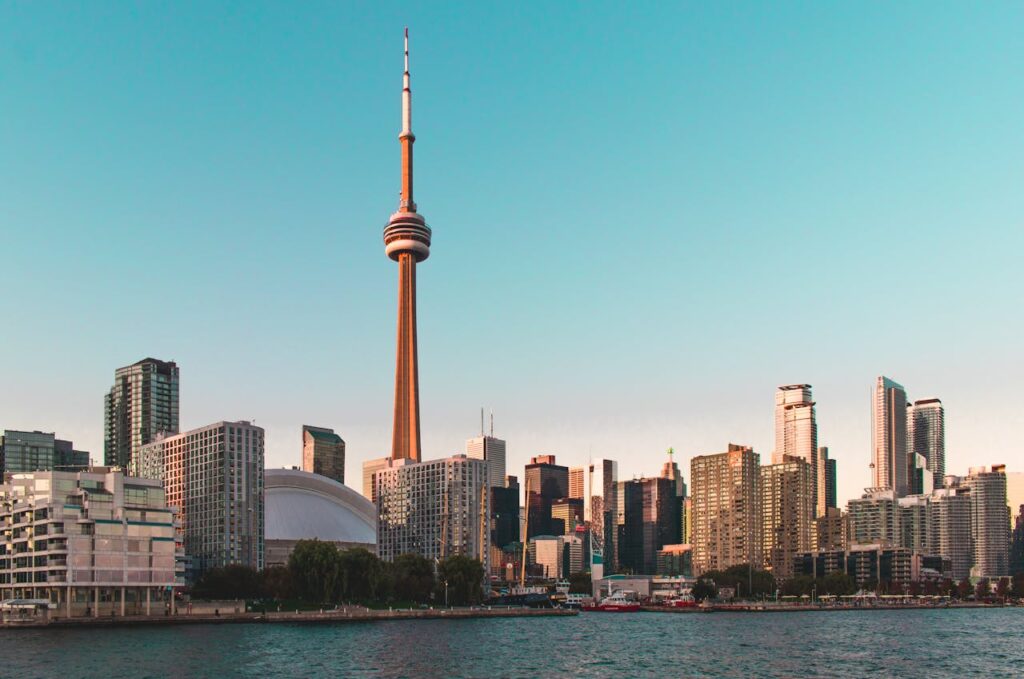
Toronto is one of the world’s most multicultural cities, and its cultural activities have profoundly influenced the city. In the 21st century, Toronto has emerged as a cultural hub, exuding creativity, protest, and resilience blending politics, art, entertainment and sports. Here are nine cultural events that define 21st century Toronto
The Rise of the 6ix
Toronto’s nickname, ‘the 6ix’ coined by Drake, home grown Toronto rapper and global musical icon, draws from Toronto’s first phone area codes 416 and 647. Amalgamated in 1998, the 6 municipalities – Toronto, East York, Etobicoke, North York, Scarborough, and York became the City of Toronto. The 6ix symbol, born from hip hop, has been proudly embraced by sports teams and fans who use it as a unifying symbol with hashtags like #WeTheNorth and #WeAreTheSix. Drake’s OVO brand and lyrics have elevated Toronto’s cool factor globally.
The Weekend Impacts Toronto’s Pop Culture
The Weekend (Abel Tesfaye), like Drake, has propelled Toronto’s image in pop culture. The ‘Toronto Sound,’ characterized by themes of fame, sex, riches, and alienation, is easily recognized. From Scarborough roots to the Super Bowl stage, his fashionable XO brand, music videos and live performances all unapologetically highlight his Toronto experience and shows that culturally, we are global trendsetters.
Raptors Win the NBA Championship

On June 14, 2019, the Raptors became the first Canadian NBA champions with a win against the Golden State Warriors. After 24 seasons, Toronto erupted in a fervour of jubilation as thousands took to the streets. “HISTORIC!” said the Toronto Maple Leafs. It ended the title drought experienced by all major league teams in Toronto since 1993. #WeTheNorth became #WeTheChampions, and the Raptors became not just Toronto’s team, but Canada’s.
Indigenous Land Acknowledgements
As part of Canada’s reconciliation efforts, Indigenous land acknowledgements became a standard practice across Toronto’s public institutions and events. They are a significant and respectful way to recognize the original inhabitants of the land. Toronto is located on traditional territory which includes the Mississaugas of the Credit, Anishinaabe, Haudenosaunee, and Wendat. “This awareness is a crucial part of fostering understanding and respect, which are foundational to reconciliation.”
The African Ancestral Acknowledgement
Introduced by the City of Toronto’s Confronting Anti Black Racism Unit (CABR) in 2018, the acknowledgement delivered by a person of African descent whose historical lineage, heritage, and ancestry has been impacted by the trans Atlantic slave trade and slavery. It is now a cultural fixture when opening meetings, gatherings, and other events in Toronto.
COVID-19 Reshapes Cultural Life
On January 25, 2020, Toronto reported its first COVID-19 case. On March 23, 2020, the first shutdowns began as all non-essential businesses across the province were closed. Despite the lockdowns, the rush on toilet paper, the arguments over masks, controversial treatment plans, vaccine hesitancy and the coining of the slogan “We’re all in this together,” Toronto was able to bring cultural innovation to the city. Galleries, theatres and concert halls were all closed, but entertainment and business meetings and exercise classes all thrived virtually on ZOOM.

TIFF Becomes a World Stage
The Toronto International Film Festival (TIFF), although started in 1976, continues to grow, making it one of the Big Four film festivals globally. By the early 2000’s, every September saw Toronto’s King St. become a launch-pad for films that often show up in the Academy Awards. TIFF is Toronto’s signature, red-carpet event, yet manages to keep it accessible to local movie lovers, world-renown critics, actors, and filmmakers. TIFF is one of Toronto’s biggest cultural events and has placed Toronto on the cinematic map.
Caribana, a Cultural Powerhouse in Toronto
Although Caribana (now Scotiabank Caribbean Carnival) was founded in 1967, it quickly became North America’s largest Caribbean festival. In the 21st century, it draws over a million revelers each year to the city. Despite disputes over ownership and branding, Caribana remains a vibrant symbol of Caribbean-Canadian identity, freedom, and cultural pride.
Pride Parade
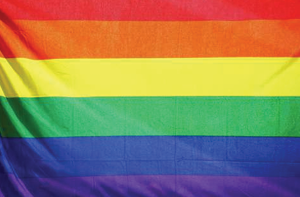
Emerging from the 1981 bathhouse raids, Toronto’s Pride movement grew exponentially in the 21st century. One of the largest LGBTQ+ festivals in the world, it gained more prominence when Canada legalized same-sex marriage in 2003 and in 2016, when Prime Minister Justin Trudeau made history by marching in the parade. That year, Black Lives Matter Movement in Toronto (BLMTO) paused the PRIDE parade to protest anti-Black racism, provoking mainstream institutions to engage in conversations around policing, education and culture holding Toronto more accountable in its anti-racist policies.
Toronto is a city in constant cultural motion. Many events have contributed to Toronto’s culture, most recent being our declaration of local and national pride as we unequivocally state that we will never be America’s 51st state. As our city continues to grow, clash, and create, one thing is certain, Toronto will always be proud of its cultural distinction as we build memories for later generations to applaud, decry or simply observe.
Janet Bennett-Cox | Contributing Writer