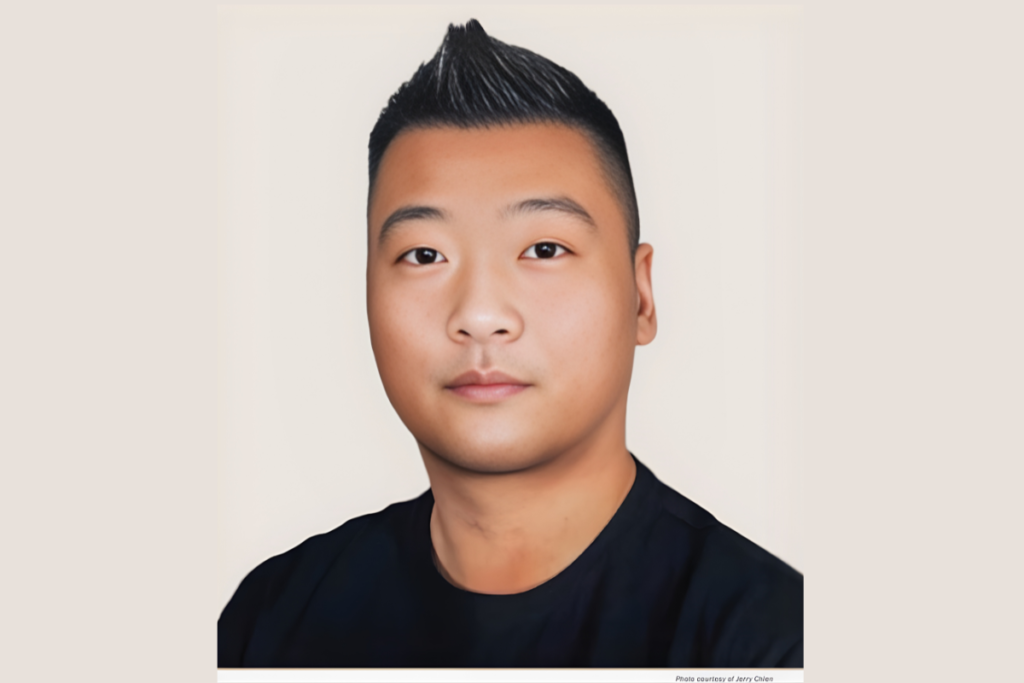
Jerry Chien has always wanted to provide users with an unconventional social media experience. When the right opportunity arose, Chien took the leap forward. Upon meeting fellow influencer Jason Herrington at a conference in London in 2019, the pair spoke for hours about the problems of data collection, social media, and potential solutions. Chien knew they’d start a business after that one meeting, and along with Chien’s long-time friend and collaborator, Anja Vukovic, the trio founded Gravvity, a social media and chat application that seeks to reimagine the social media landscape and set new priorities. While typical social media platforms are characterized by their addictive qualities and algorithms that push antagonistic content, Gravvity strives to be a more mindful alternative. Two guiding principles for Gravvity are user empowerment and intentionality. Chien spoke to us about how Gravvity works and how its features surpass other conventional social media channels.
Can you explain how Gravvity works?
Think of it as WhatsApp reimagined. WhatsApp, Telegram, and Signal all have a similar look and feel, like a Windows versus a Mac. We tried to modernize the chat experience. We’re trying to build a community where members are involved in how we shape our products and services going forward. What differentiates our platform from any other is that their main goal is to keep you on the app as long as possible so they can push as many ads to you as possible and pry data from you.
We have a fundamentally different objective, which is to give people the empowerment to control their experience and to be able to find a better balance and leverage their social connections to their benefit. To reimagine the whole social experience from the users’ perspective, versus looking at it from an advertising perspective. If you post content, only the top 1 per cent gets rewarded as an influencer. With Gravvity, we’ll be rewarding everybody for posts if they’re upvoted by the community.
If they think that your post enriches their experience, they give you an upvote, and based on that, you get a point for our reward system. We’re going to create ownership, licensing, and trademarking abilities for content. So, a creator can choose to trademark, sell, or license it to others. Right now, a lot of content is repurposed by other people, and the creator isn’t getting any value. We want to have a marketplace that allows creators to structure their content and make it available in a more accessible way.
How does Gravvity specifically address the negative components of social media?
Typically, the algorithms and features are designed to keep you on the apps as long as possible. And what content keeps you on the app is content that agitates you or creates an emotional response. That’s what algorithms have learned, so they’re programmed to be more effective at giving you negative and antagonistic content to keep you engaged. In general, the features of social media like notification dings, follower counts, likes, etc., are designed to create addiction. It’s not really about your social experience or creating deeper social connections.
We’ve taken all those things out to eliminate external validation features. There are no public likes, follower counts, or comments. If you want to react to a post, send a message directly. We’ve taken away those algorithms that are programmed to push ads. We give users total control over the content that they see in their feed. Other apps instantly bring you to your feed, and you start to see content. We have a landing page which makes people mindful of what kind of experience they want to have. That little pause gives people intentionality in terms of what they’re actually trying to achieve. Then, we have a timer that you can preset or that’s always on your screen to show you how long you’ve been scrolling.
How can you convince people to make the move to Gravvity?
I have a very simple formula for how we’ll grow. Get 1000 people who are committed to solving this problem into our community. They each have 15 to 20 people that they socialize with. Let’s get them on board, then grow organically as best we can. It’s not about becoming bigger than Facebook; it’s about creating a sustainable community. I’m not overly concerned about how many people, it’s more so about [whether there are] enough quality people that are getting the quality experience that we’re offering.
To the person you referred to, what would it take for you to try something else because we’re listening, and that’s what we’re going to deliver. It’s social media 2.0, where users come first. It’s a completely radical idea, so I hope people will embrace it.
Marcus Medford | Contributing Writer