In Toronto, the city does not merely host art; it exhales it and its creativity is not confined to galleries or ticketed events. It is stitched into sidewalks, projected onto glass towers, and humming beneath subway tracks. On any given morning, commuters pass murals that transform brick into bold commentary. In neighbourhoods like Queen West and Kensington Market, walls double as storytelling canvases, declaring identity, resilience, and humour in equal measure. Public art here is democratic meaning that it belongs to everyone who walks by.
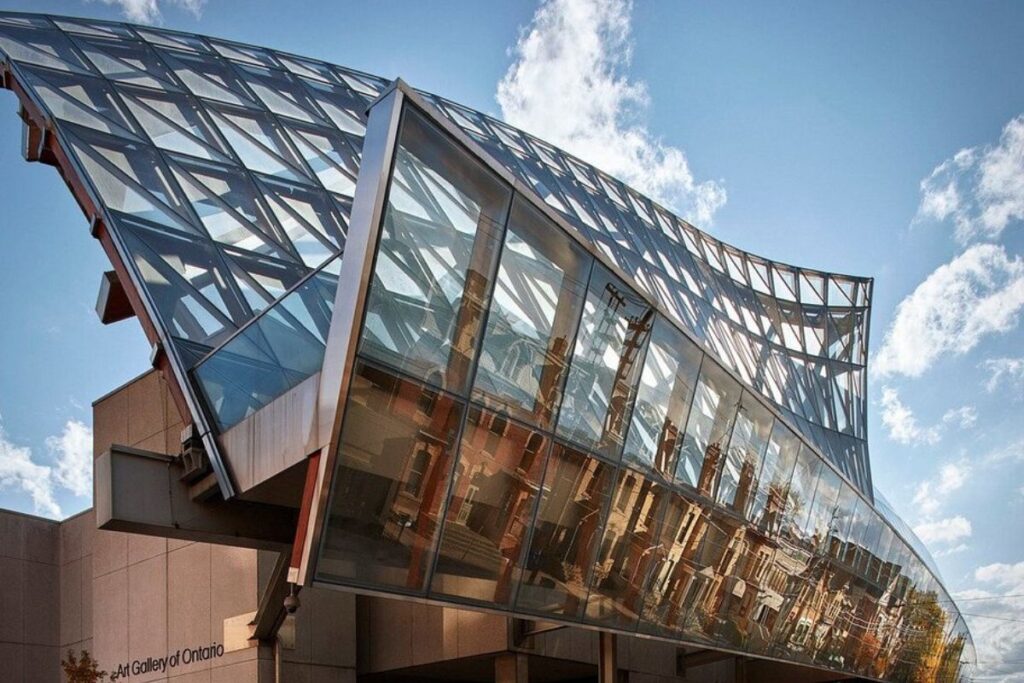
Institutions such as the Art Gallery of Ontario and the Royal Ontario Museum anchor the city’s formal art scene, presenting global masters alongside contemporary voices. Yet, Toronto’s true rhythm lives between these landmarks, in pop-up exhibits, design markets, poetry readings, and experimental showcases tucked above cafés.
Creativity also flows through everyday rituals. Independent bookstores curate readings that feel like intimate salons. Cafés host sketch nights where strangers become collaborators.
Local fashion designers test concepts at small retail collectives before debuting on larger stages. The line between artist and audience blurs; participation is part of the culture.
Digital platforms amplify this pulse. Toronto-based illustrators, photographers, and filmmakers leverage social media to transform neighbourhood scenes into global narratives.
A single image of a snow-dusted laneway can travel continents, reframing the city as both gritty and graceful.
Public festivals reinforce the rhythm. Outdoor film screenings, cultural parades, and light installations turn ordinary streets into shared stages. Art spills into the open air, inviting passersby to linger.
What distinguishes Toronto’s creative ecosystem is its inclusivity. The city’s multicultural foundation shapes its artistic output, Caribbean rhythms echo at summer festivals, South Asian textiles inspire fashion capsules, and African diasporic influences inform contemporary dance. Cultural cross-pollination is not curated; it is lived.
Toronto breathes art daily because its residents insist on expression. Creativity here is not reserved for elite spaces; it animates everyday life. It appears in chalk drawings on sidewalks, in the curated window of a vintage shop, in the cadence of a busker’s guitar.
To experience Toronto fully is to notice its details: the quiet sculpture in a courtyard, the typography of a hand-painted sign, the mural that shifts perspective at dusk. In this city, art is not an event. It is an atmosphere.
Joseph Sandy Gomes | Contributing Writer