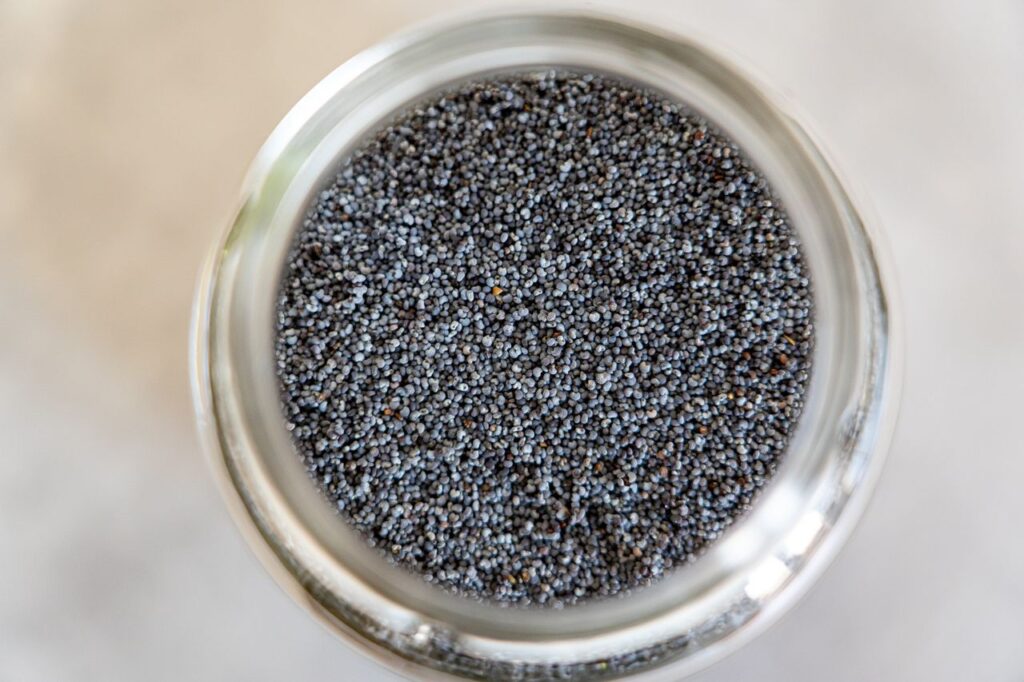
Chia seeds have gone from a novelty gag gift the “Chia Pet” to a staple on grocery shelves and in smoothie bowls everywhere. Salvia hispanica is a flowering plant in the mint family, native to Mexico and Guatemala, where it was cultivated as a food crop as far back as the Aztecs and Maya. What earned those tiny seeds their second act is something more practical: an unusual nutritional profile that makes them easy to work into almost any diet. Here’s what the research and everyday use actually support.
A Serious Nutrient Density
An ounce of chia seeds about two tablespoons packs roughly 10 grams of fiber, 5 grams of protein, and 8 to 9 grams of fat, most of it the omega-3 fat alpha-linolenic acid (ALA). That same ounce also delivers meaningful amounts of calcium, magnesium, phosphorus, and manganese, plus a decent hit of iron and zinc. For a food that requires no cooking, no soaking, and no refrigeration, that is a remarkable package. Vegans and vegetarians in particular often lean on chia because it contributes protein, iron, and calcium in one ingredient that also happens to be gluten-free and, for most people, well tolerated.
Fiber and Digestive Health
The fiber content is the headline. Two tablespoons supply roughly a third of the daily fiber most adults should be getting, and much of it is soluble fiber, the kind that feeds beneficial gut bacteria and slows digestion. That slow digestion does two useful things: it steadies the blood sugar response after a meal, and it helps you feel full for longer. Chia’s ability to absorb many times its weight in liquid is what gives it that gel-like texture and what makes it a popular thickener in puddings and jams. It is also why anyone adding chia to their diet should drink water alongside its fiber needs fluid to do its job comfortably.
Heart Health and Blood Sugar
The omega-3s in chia are plant-based ALA rather than the marine omega-3s found in fish, and the body converts ALA to the more active forms only inefficiently. Even so, several small trials have found that regular chia intake is associated with modest improvements in blood pressure, triglycerides, and inflammatory markers a helpful nudge rather than a cure. On blood sugar, the evidence is more consistent: adding chia to a meal tends to blunt the post-meal glucose spike, likely because the soluble fiber slows how quickly carbohydrates are absorbed. People managing type 2 diabetes sometimes use it this way, though it is a supporting player, not a treatment, and medication decisions belong with a clinician.
Weight and Satiety
Because chia gels up in liquid and is high in both fiber and protein, it can help take the edge off appetite. Studies in this area are mixed some find reduced calorie intake at later meals; others find no meaningful difference but the mechanism is plausible and the practical effect is that a chia-based breakfast keeps many people satisfied until lunch far better than a comparable bowl of refined cereal.
Easy to Use, and a Caveat or Two
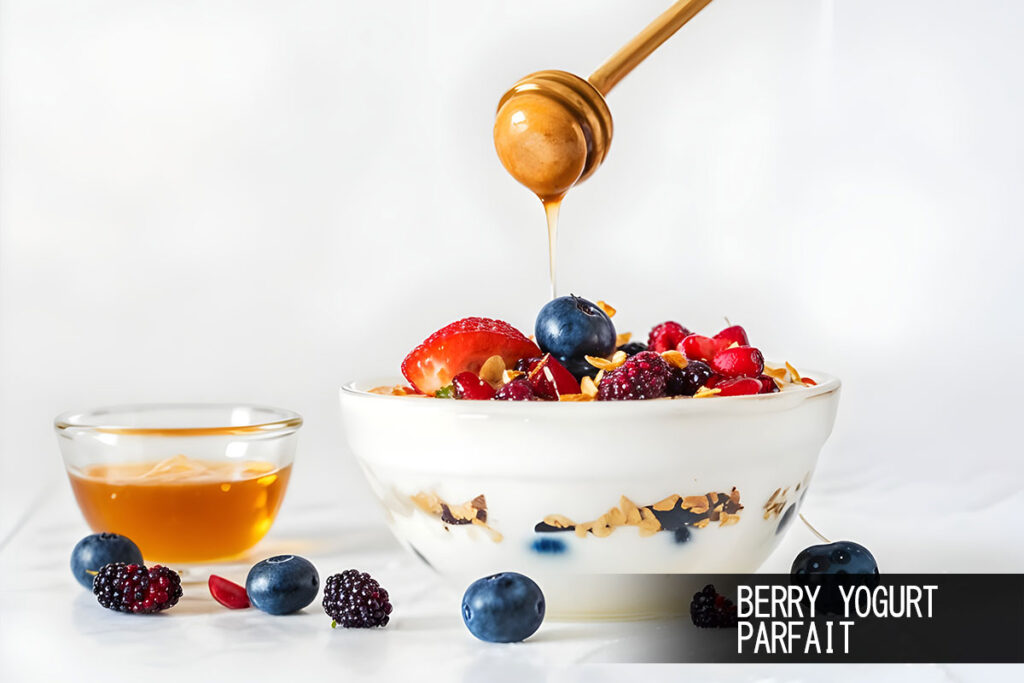
Chia is about as convenient as a “superfood” gets. Stir a spoonful into yogurt, oatmeal, or a smoothie. Make a basic chia pudding by mixing a quarter cup of seeds into a cup of milk or plant milk and refrigerating overnight. Use it as an egg replacer in baking one tablespoon of ground chia plus three tablespoons of water stands in for one egg or as a thickener in sauces.
A few practical notes. Dry chia straight from the spoon can be uncomfortable and, in rare cases, risky if you have a history of swallowing difficulties, since the seeds swell when they meet moisture. Soak or mix them into something wet, and drink water. Chia is calorie-dense, so a little goes a long way if you’re watching your weight. And when you add significant fiber quickly, expect some bloating for the first week or so ramp up gradually.
The Bottom Line
Chia seeds are not magic. They won’t fix a poor diet, and the omega-3 conversion gap means they don’t replace fatty fish. What they offer is something rarer and more useful: a shelf-stable, no-cook ingredient that adds fiber, protein, minerals, and plant omega-3s to whatever you already eat, with almost no effort. For most people, two tablespoons a day is a genuinely easy upgrade and one of the few food trends that has held up to scrutiny.
Jennifer Williams | Editor-in-Chief